Systems you can actually read.
Infrastructure and security engineering for teams who would rather understand their stack than trust it. Every engagement has a decision, a deliverable, and a stopping point.
Most teams do not lack tools. They lack working integration and useful context.
Asset data lives in Terraform. Runtime truth lives in metrics, logs, traces, and packets. Findings arrive from five scanners with five ideas of urgency. Identity and certificates become urgent only after they fail. RTFM closes that gap without handing you another black box.
Outcomes before components
Start with “what breaks if I change this?”, “what is being exploited?”, or “why is the service slow?” The container list comes second.
Opinionated, not opaque
Every component, config, dashboard, and trade-off stays visible. A system you cannot understand is just a smaller vendor lock-in problem.
You keep operating it
Documentation and knowledge transfer are part of the work, not an upsell. The goal is a team that no longer needs the engagement.
Defined work. Visible output.
Architecture & risk review
For teams deciding what to build, replace, harden, or stop pretending is temporary.
A written decision record, architecture diagrams, a risk register, and an implementation estimate.
Hardened deployment
For teams that want a proven blueprint adapted to their real network, identity, data, and recovery requirements.
A running, tested deployment; source-controlled configuration; evidence of recovery; and a clean handover.
Ongoing operations
For small teams that own the stack but need experienced review and operational depth without hiring another full-time role.
A named operator, a monthly evidence report, an ordered improvement queue, and fewer “we should probably check that” items.
You can read the work before you hire the engineer.
RTFM publishes In a Box — eleven published self-hosted infrastructure and security blueprints, in the open, with their tests, dashboards, configuration, and stated gaps. It is the same engineering you would be buying.
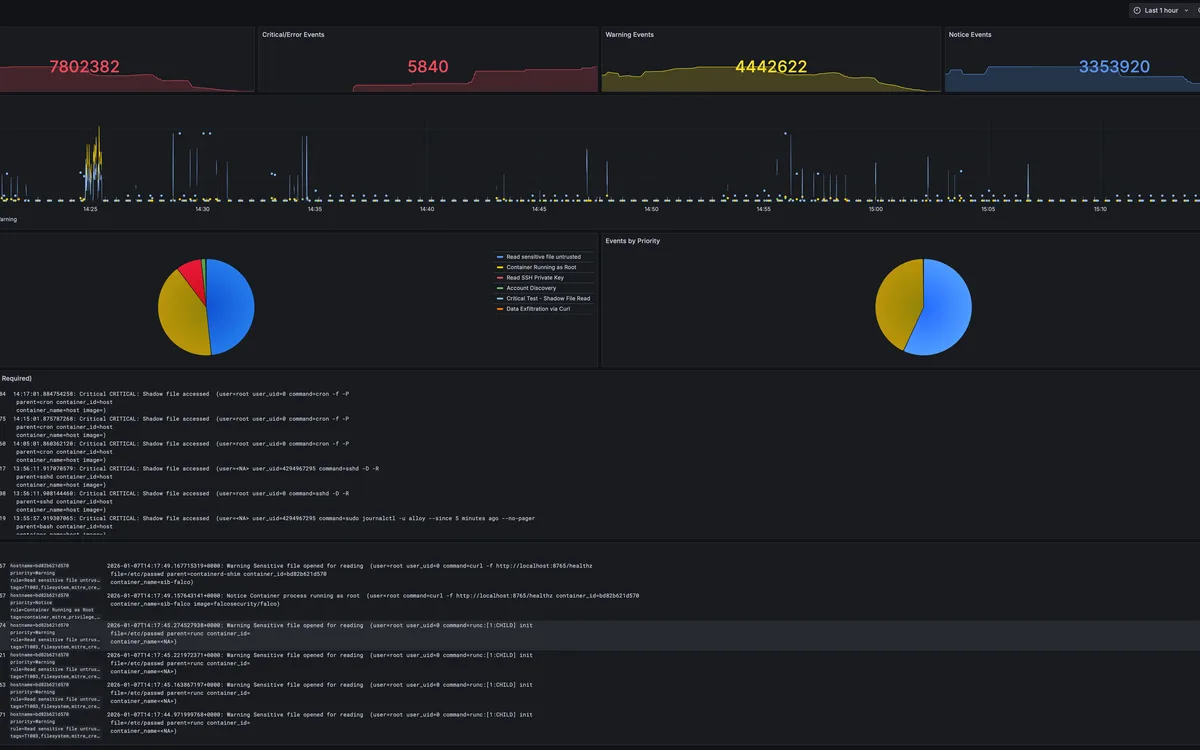
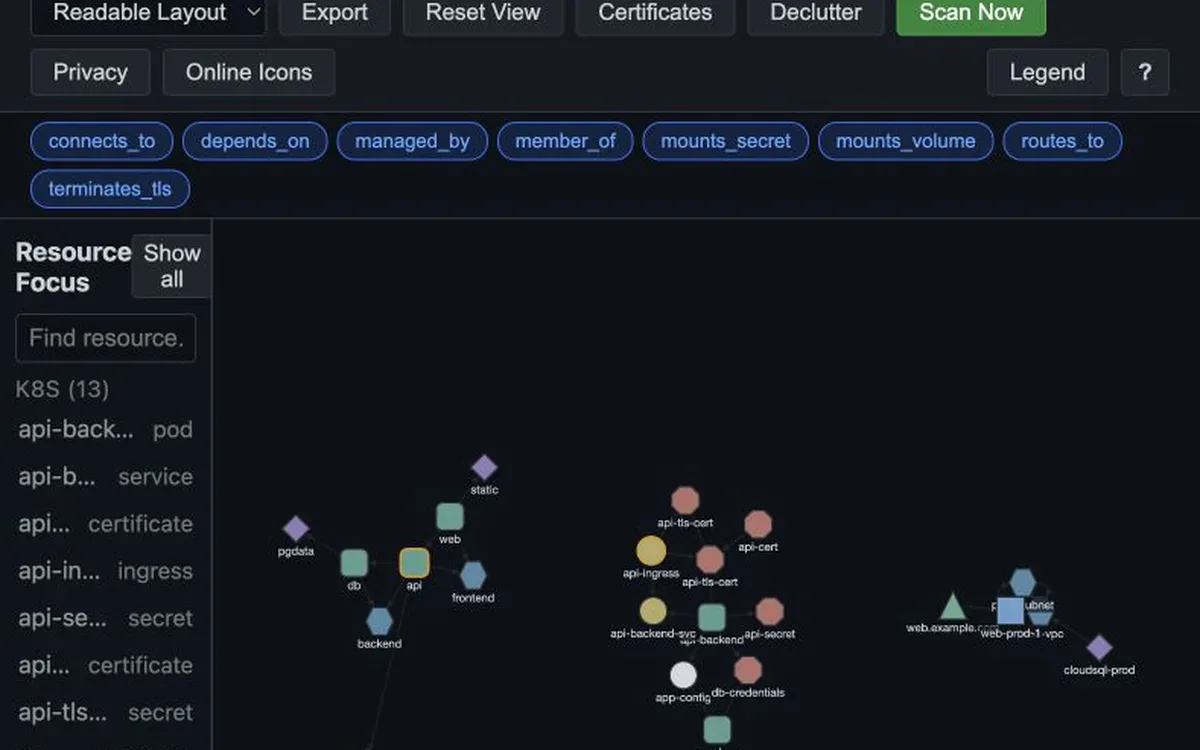
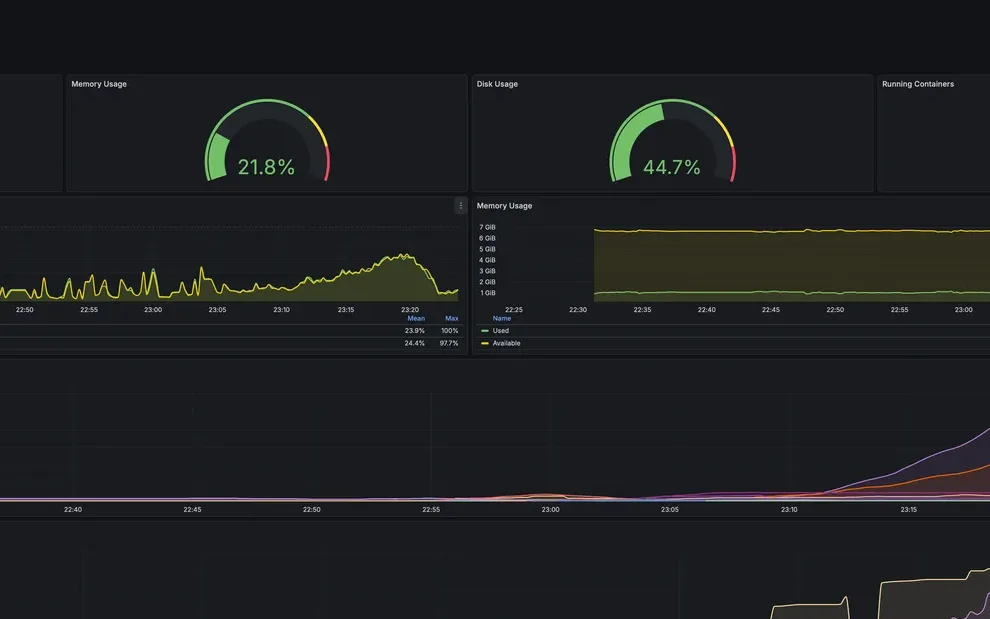
Real output from the projects — not product mockups.
If it cannot be understood when it fails at 3 AM, it is not finished.